AP Automation Benefits for Restaurant Invoice Processing
Discover how AP automation cuts restaurant invoice processing time by 80%. Reduce errors, improve cash flow. Book your Jelly demo today!

Discover how AP automation cuts restaurant invoice processing time by 80%. Reduce errors, improve cash flow. Book your Jelly demo today!
Discover the best invoice automation software for UK restaurants, pubs & hotels. Cut costs by £3-4k monthly with Jelly. Get your demo today!
Automate invoice processing in 8 steps. Save 10-20 hours weekly & boost profit by 2%. Get Jelly’s hospitality-specific AI solution today.
See how Jelly’s invoice automation saves UK restaurants 10-20 hours weekly and cuts costs by 60-80%. Book your free demo today!
Discover top invoice automation software for UK businesses. Compare features & pricing. Jelly leads for hospitality. Get your demo today!
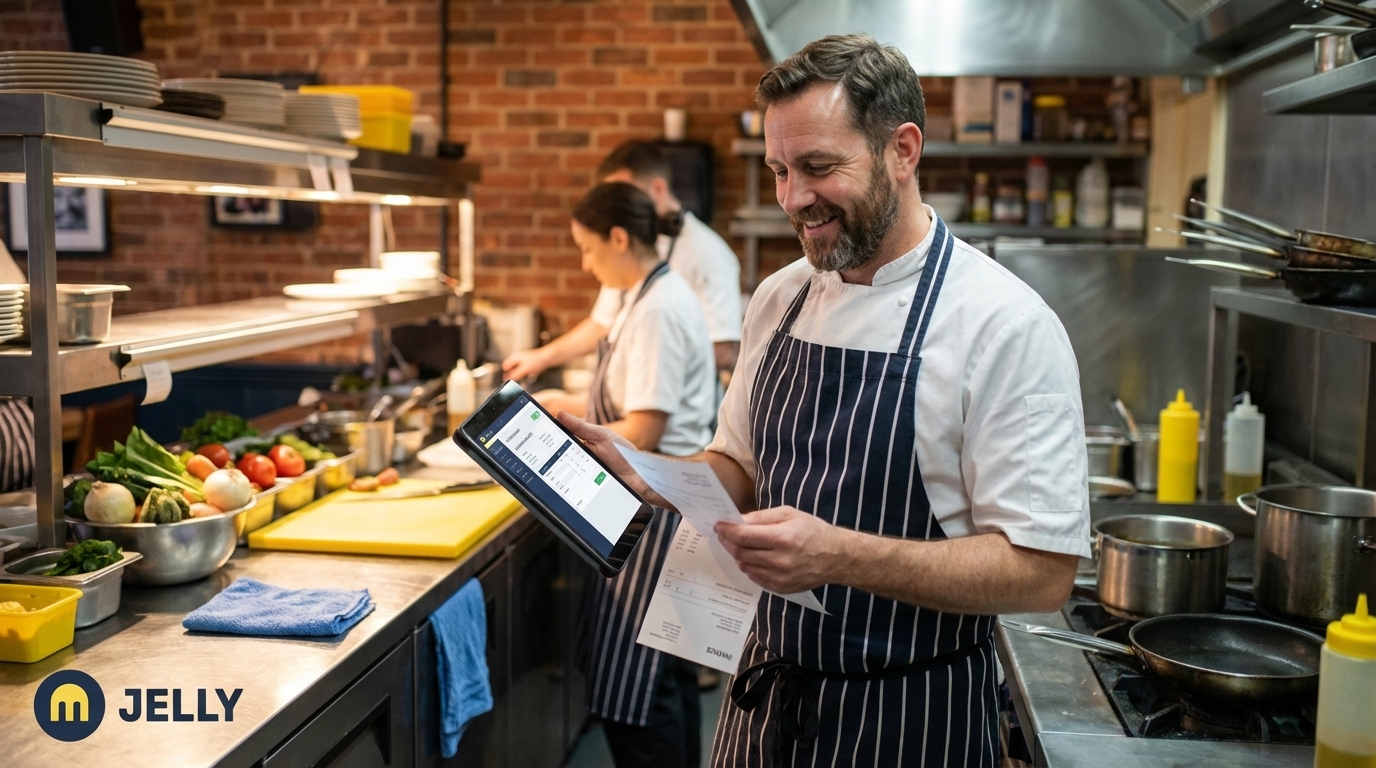
Cut restaurant invoice processing time by 60% with automated PO matching. Save £3-4k monthly like Amber. Try Jelly’s 24hr setup. Book demo today.
Top supplier management tools for UK restaurants, pubs & hotels. Jelly ranks #1 with 90% time savings & 2-3% profit gains. Try Jelly today!
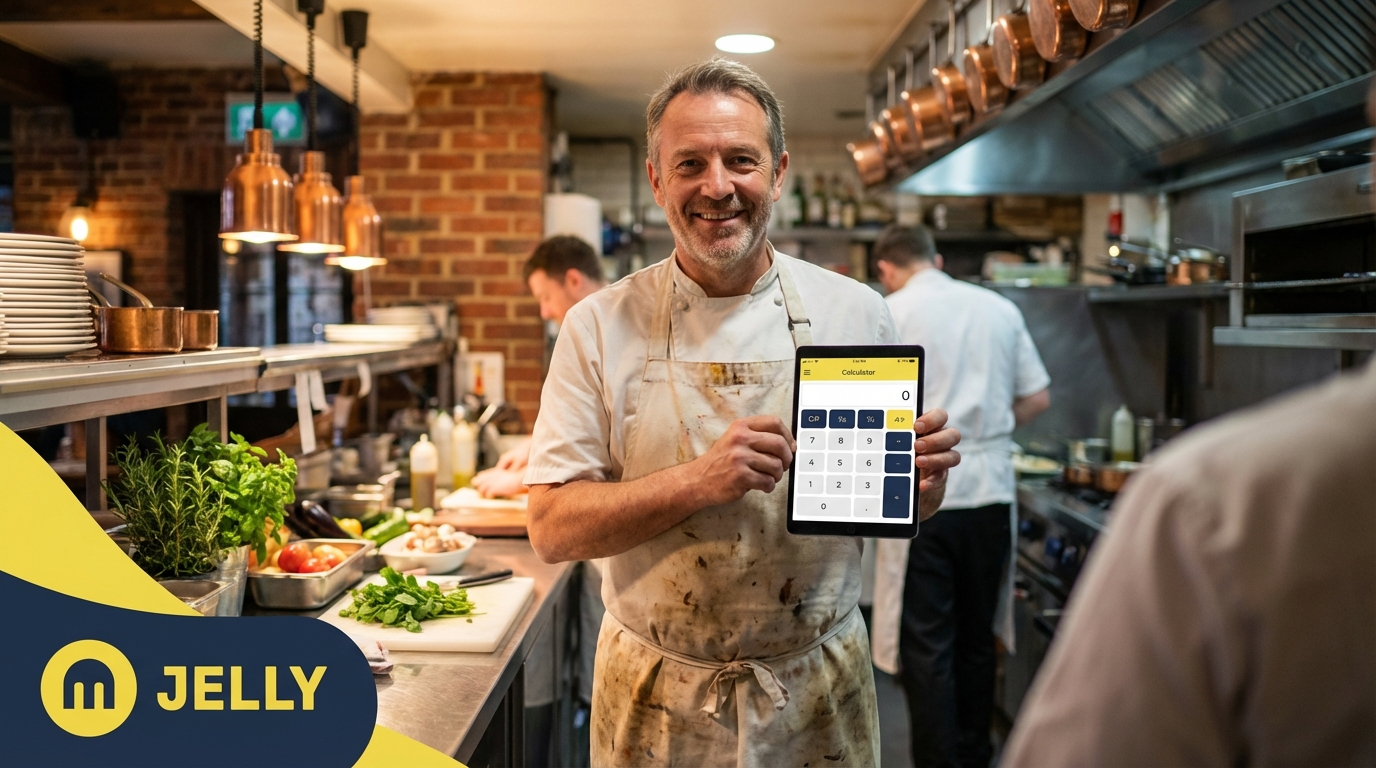
Calculate restaurant GP margins instantly with our free UK calculator. Automate food cost analysis with Jelly – book your demo today!
Top affordable food costing software for UK restaurants. Jelly leads at £129/month with automated invoice scanning. Book demo today!
Compare top food waste reduction technologies for UK restaurants. Expert analysis of costs, features & ROI. Start saving money with Jelly.
