Inventory Management Software for Gross Margin Optimisation
Boost your restaurant’s gross margins by 2% in 3 months with Jelly’s automated inventory management. Real-time costing & supplier tracking. Demo.

Boost your restaurant’s gross margins by 2% in 3 months with Jelly’s automated inventory management. Real-time costing & supplier tracking. Demo.

Top hotel F&B menu optimisation platforms boost margins 2-5%. Jelly leads with 24-hour setup & £129/month. Start with Jelly today.
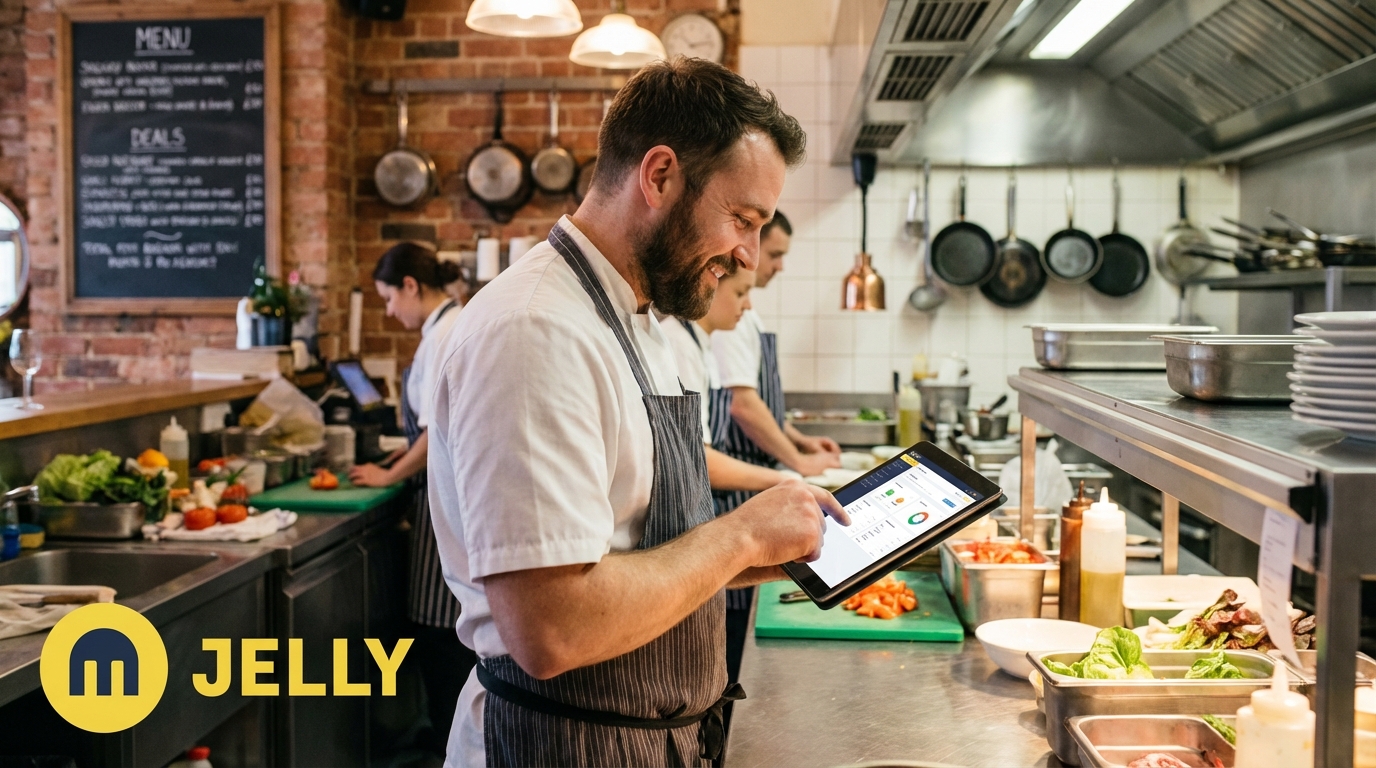
Discover top automated food costing software for UK restaurants. Jelly leads with AI invoice scanning & 3% cost savings. Book a Jelly demo!
Compare top UK cloud food costing software 2026. Jelly leads with £129/mo, auto invoice scanning & real-time GP tracking. Book demo today!
Discover top food costing software for UK restaurants & pubs. Jelly delivers 2-3% GP improvements in 3 months. Book your Jelly demo now!
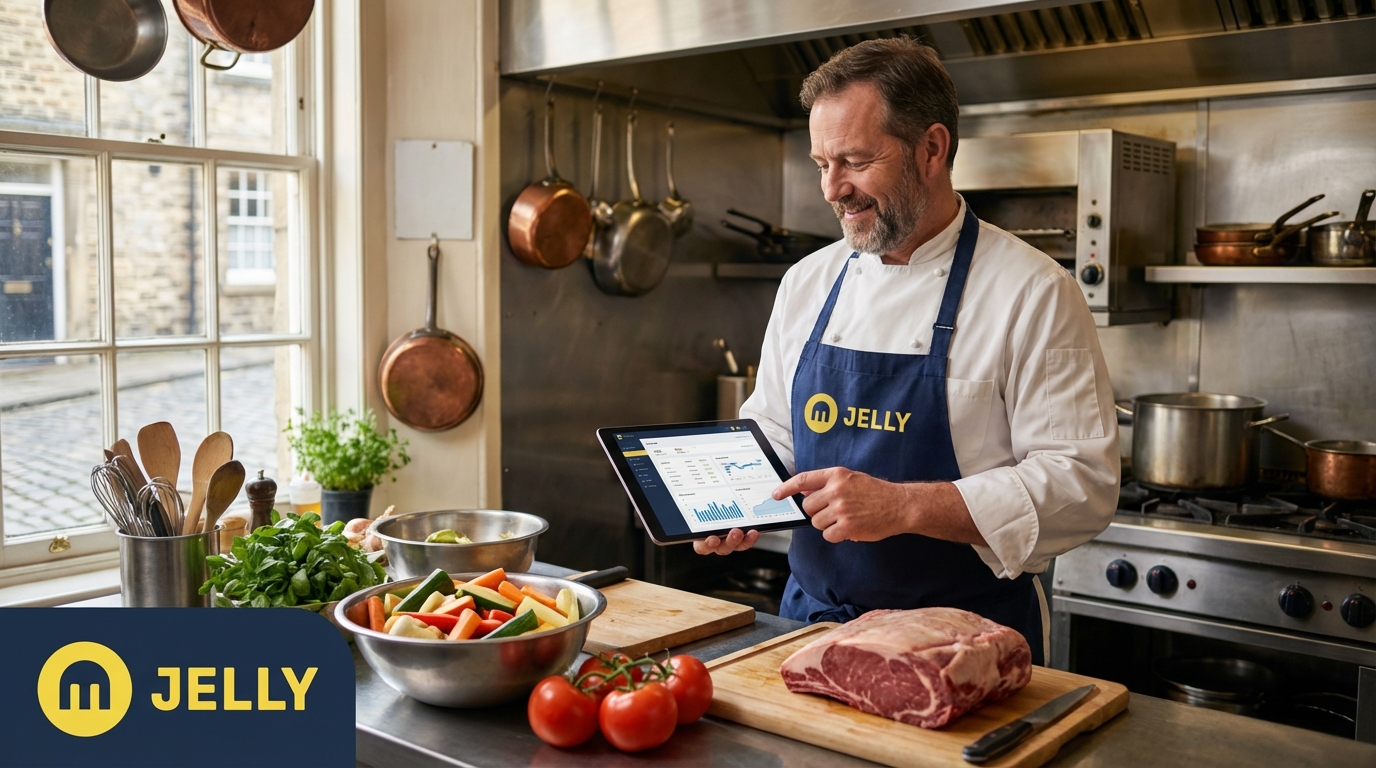
Top 5 data-driven food costing software for UK restaurants. Jelly leads with automated invoice scanning & real-time GP tracking. Book Jelly demo!
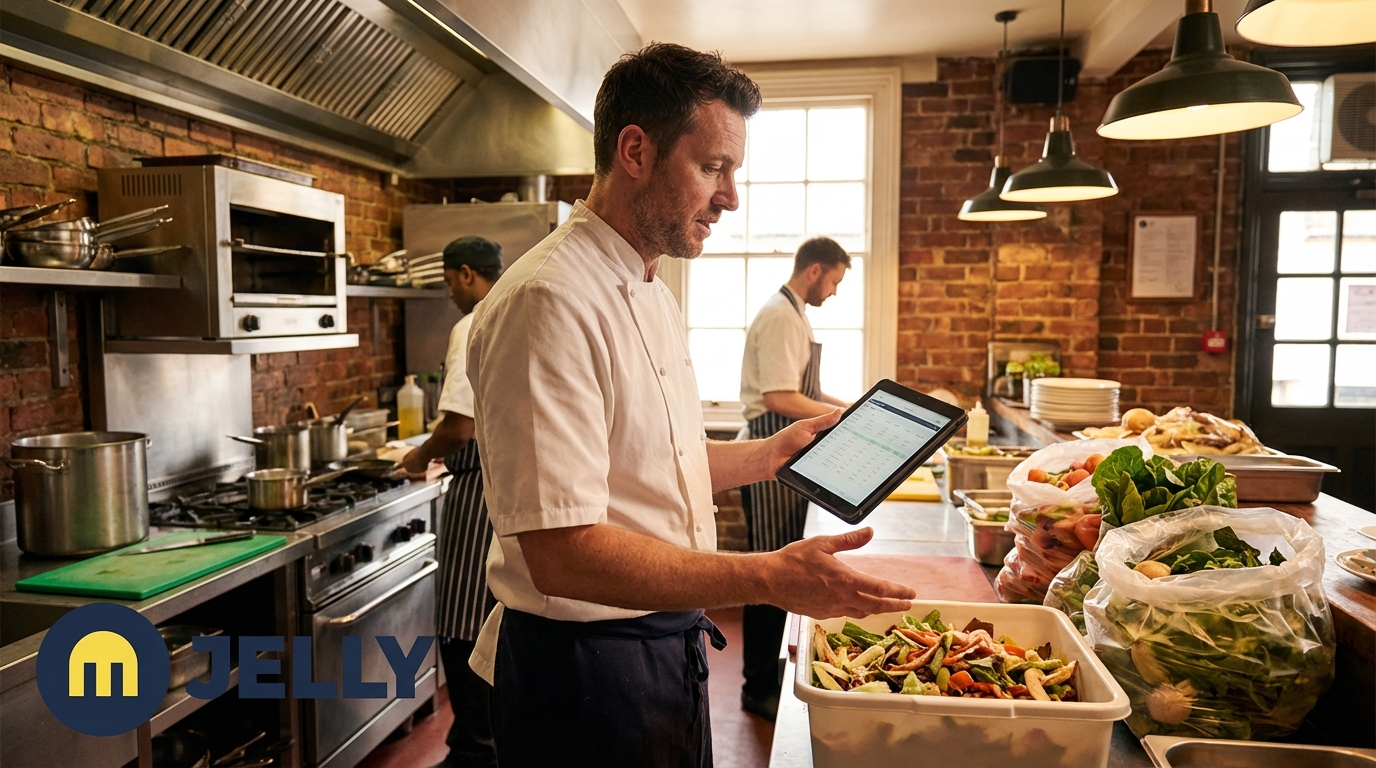
Discover how AI platforms help UK restaurants cut food waste and save £3-4k monthly. Compare top solutions and start with Jelly’s demo today.
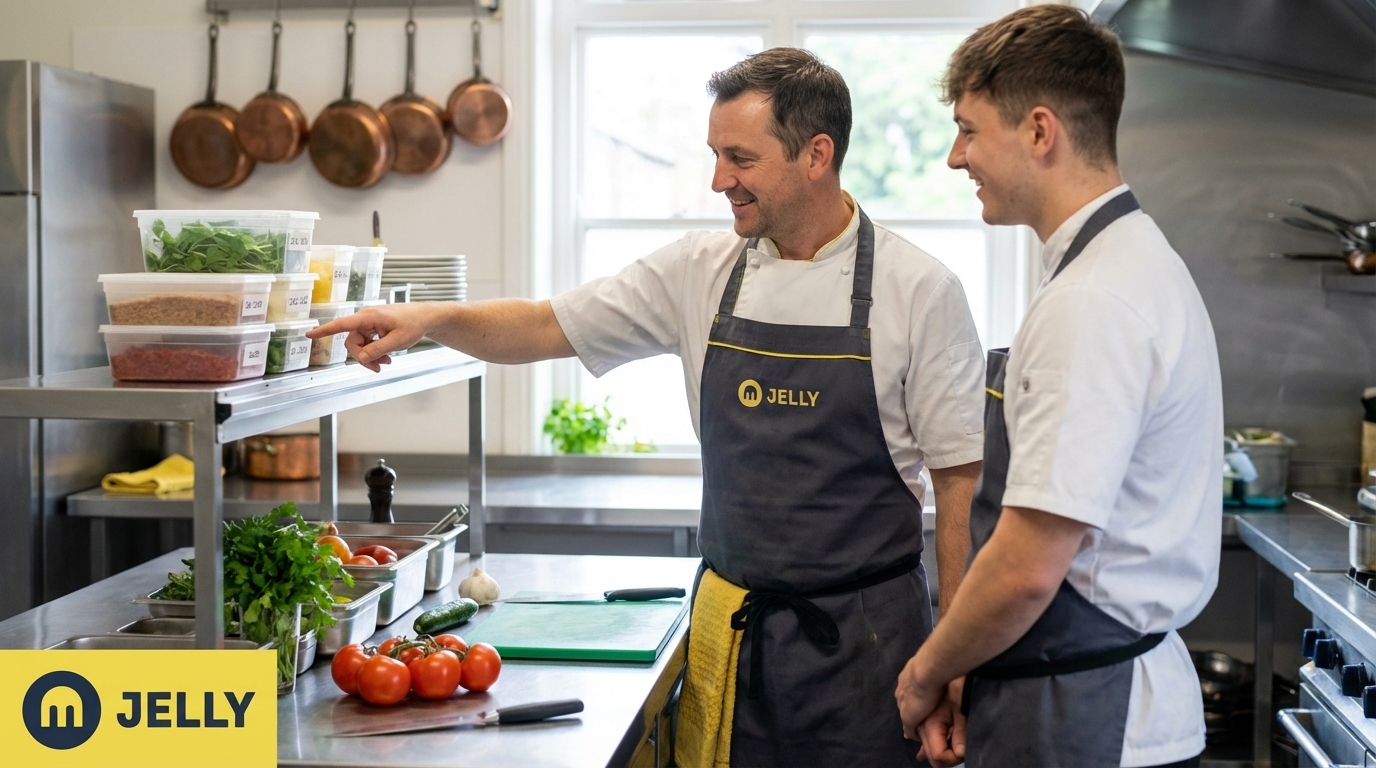
Master the 7-step process to train restaurant staff on food waste reduction. Cut costs by 3-5% and boost profits. Start today with Jelly.
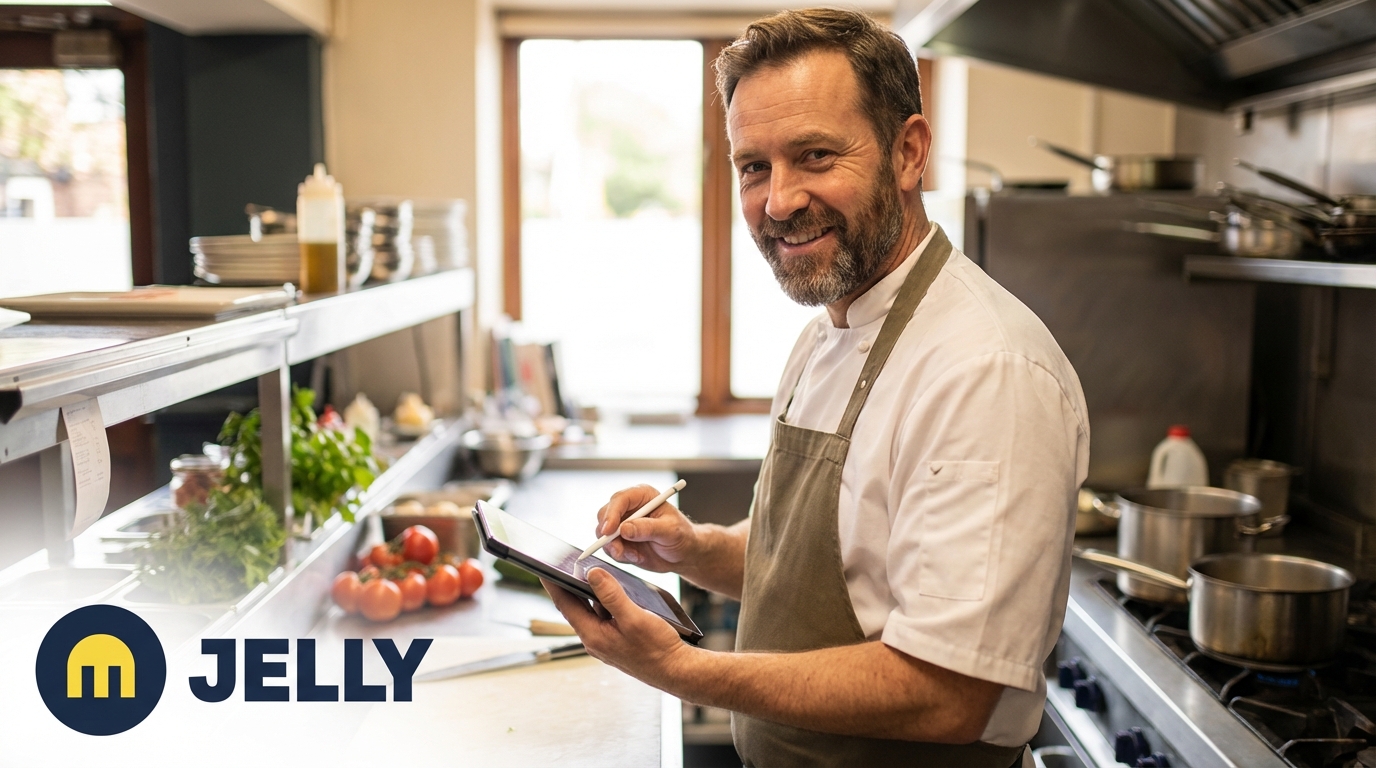
UK restaurants save £7 for every £1 invested in food waste reduction. Discover how Jelly helps cut costs by 3-5%. Book your demo today!
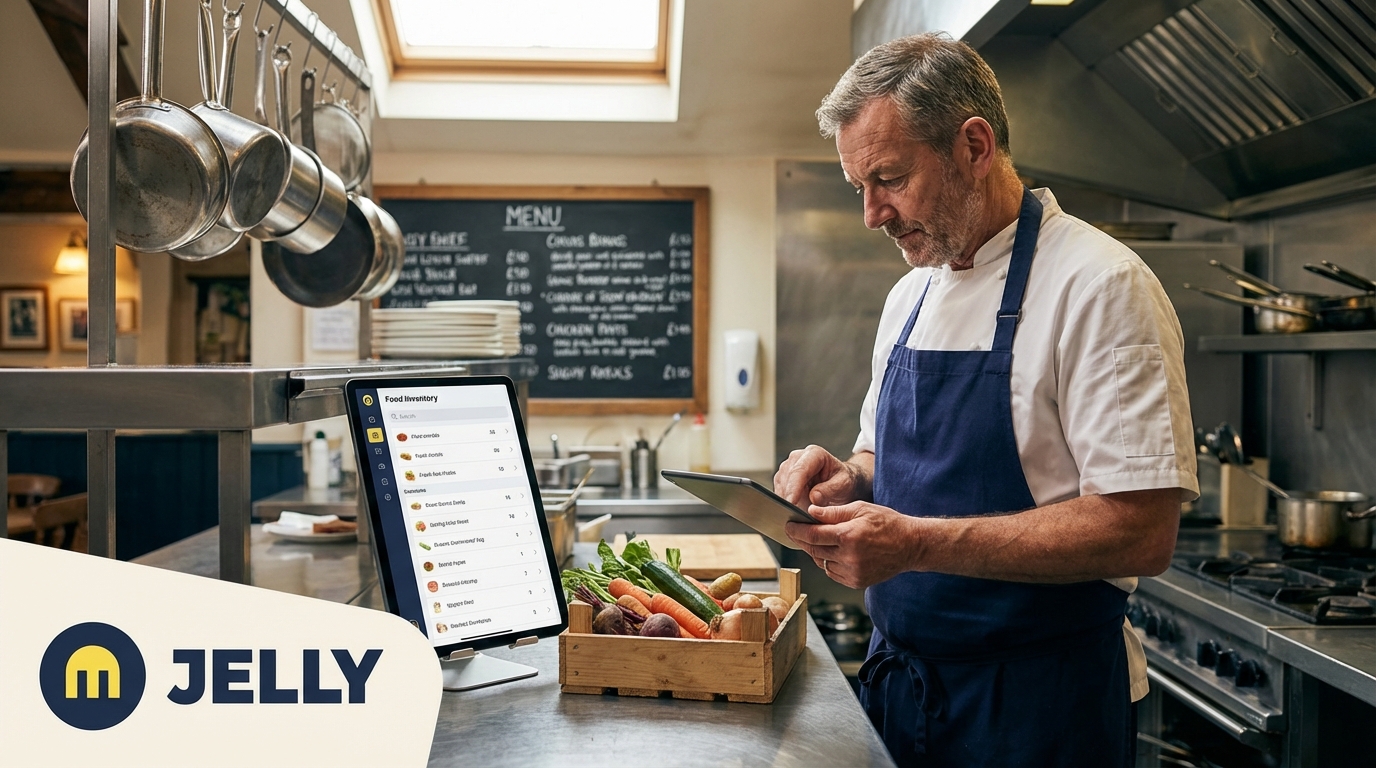
Cut food waste by 3-5% with automated inventory management. UK hospitality saves £3,000+ monthly. Transform your restaurant with Jelly.
