
Pub Inventory Software With Real Time Stock Tracking
Discover how Jelly’s pub inventory software delivers real-time stock tracking, AI invoice scanning & 2-5% margin gains. Book your demo today!

Discover how Jelly’s pub inventory software delivers real-time stock tracking, AI invoice scanning & 2-5% margin gains. Book your demo today!
Replace manual spreadsheets with Jelly’s automated dish costing. Cut time from 28 to 3 minutes. Start your free trial today.
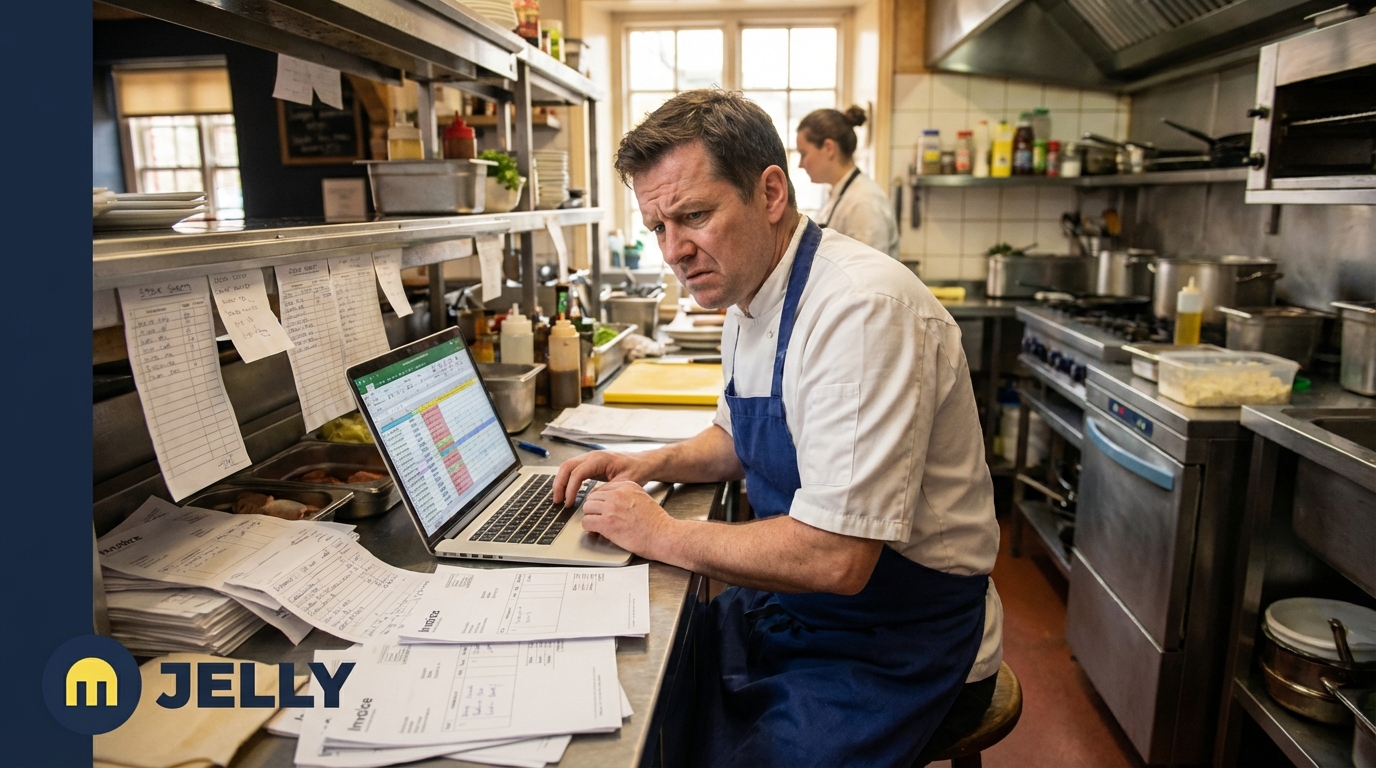
UK restaurants lose £3-4k monthly from spreadsheet errors. Discover 10 downsides and how Jelly automation saves time and recovers margins.
Discover 8 software alternatives to spreadsheets for menu costing. Jelly automates invoice scanning & saves UK restaurants £3k monthly. Book demo!
Jelly’s automated recipe costing helps UK restaurants cut food costs by 3%+ with real-time scanning & alerts. Book your demo today!
Excel works for basic food cost tracking but fails at scale. Discover why 88% error rates plague manual systems. Jelly automates costing.
Compare automated recipe costing software for UK restaurants. Jelly delivers 1-week setup & 3% cost savings. Book your Jelly demo today!
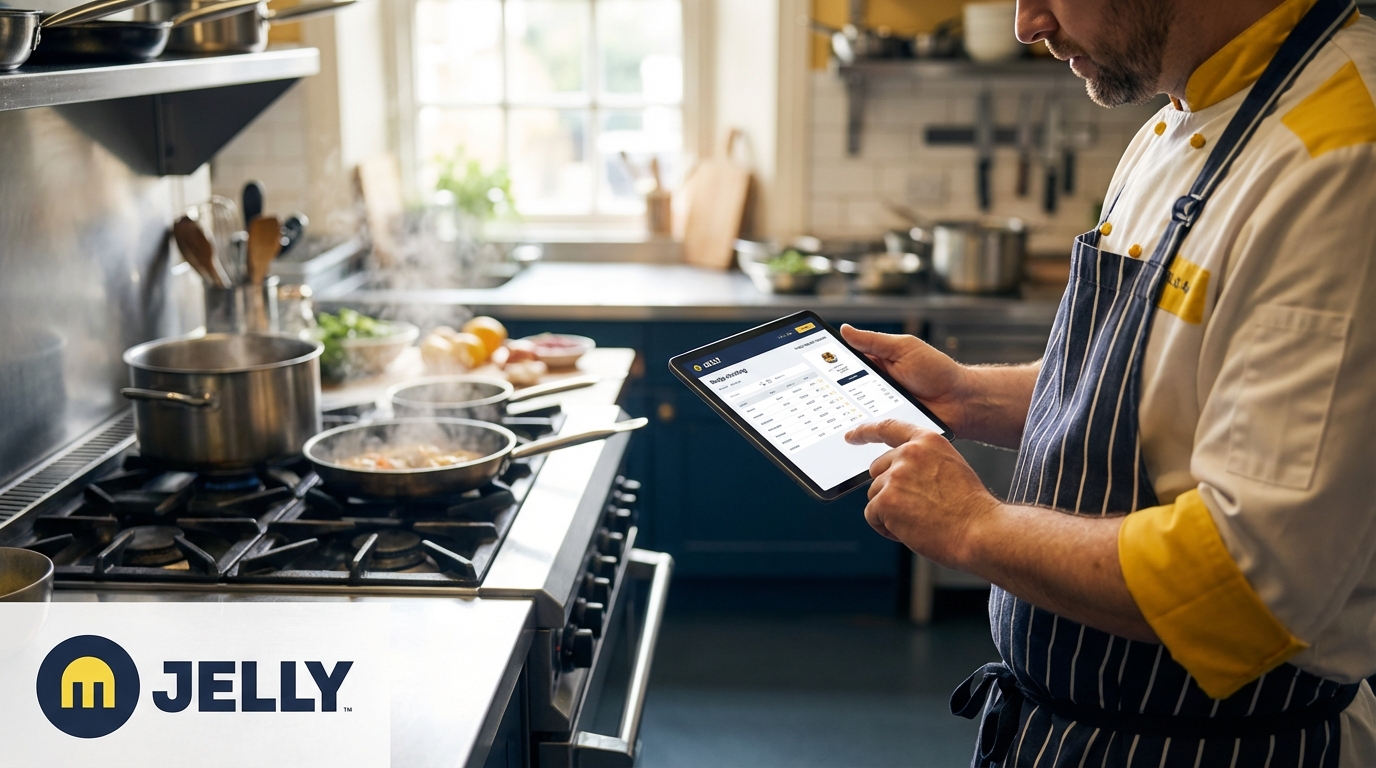
Discover essential recipe costing software features for UK restaurants. Automated OCR, real-time GP tracking & POS integration. Try Jelly today!
Master restaurant GP margin calculations with our complete UK guide. Learn formulas, targets & automation tips. Get your free audit with Jelly!
Automate restaurant profitability with Jelly’s real-time GP calculator. Cut dish costing from 28 to 3 minutes. Book your demo today!
