
Restaurant Gross Profit Improvement Strategies
Key Takeaways Gross profit is the core measure that allows UK restaurants, pubs, and hotels to cover fixed costs and generate sustainable profit, especially in

Key Takeaways Gross profit is the core measure that allows UK restaurants, pubs, and hotels to cover fixed costs and generate sustainable profit, especially in
Key takeaways Manual stock counting absorbs staff time, introduces avoidable errors, and hides the real cost of waste and margin loss. Automated invoice scanning and

Key takeaways UK hospitality operates on margins as low as 3 to 5 percent, so even a small reduction in Cost of Goods Sold (COGS)
Key takeaways Manual supplier invoice reconciliation increases errors, delays reporting and hides margin leakage in UK hospitality. Automated invoice tools centralise data, surface price changes
Key Takeaways Manual stock control in hotels increases food waste, labour time, and stock variance, which erodes gross profit and hides financial risks. Automated stock
Key Takeaways Gross profit margin has become the key survival metric for UK hospitality, as costs rise faster than revenue in many segments. Hidden costs
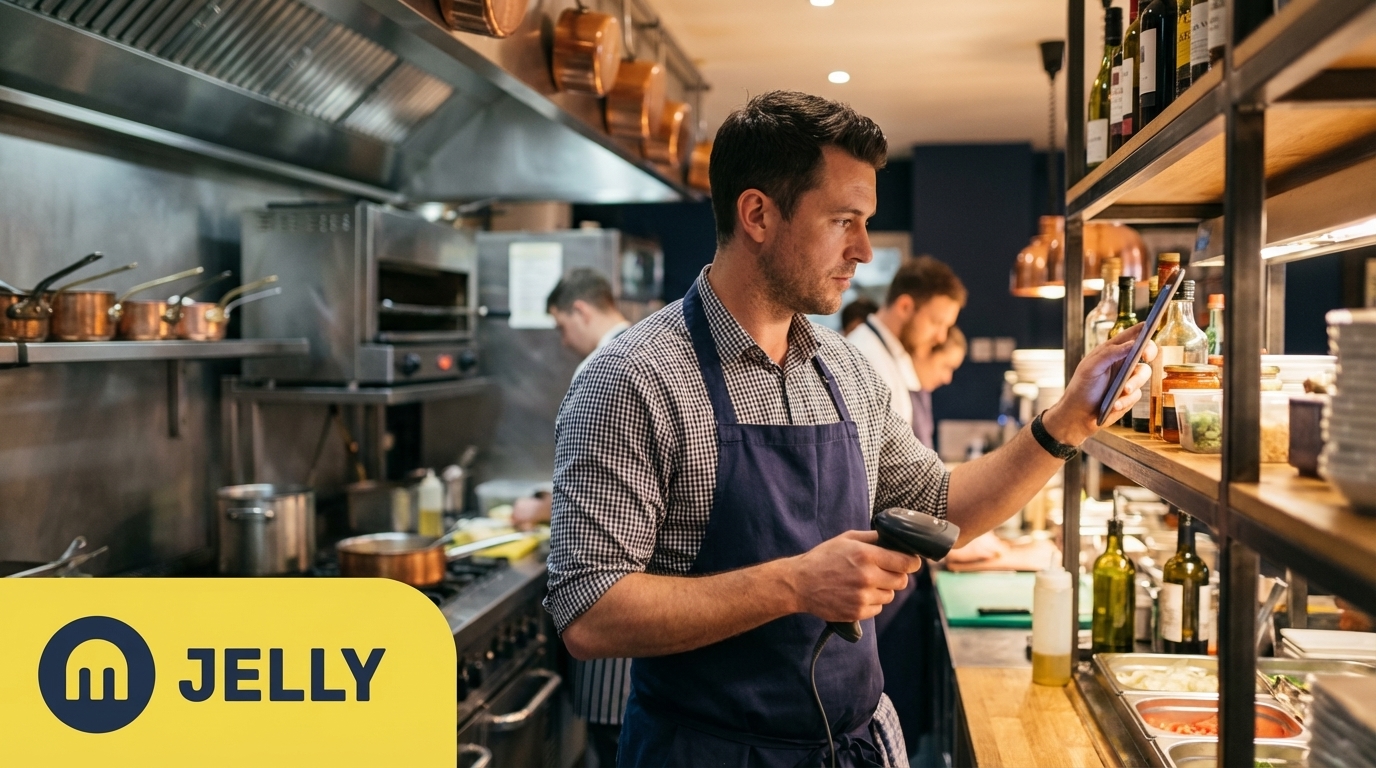
Key takeaways Automated inventory management gives growing pubs real-time visibility of stock, costs, and gross profit, which helps protect margins as costs rise. Structured stock

Key Takeaways Strong gross profit margins sit at the core of restaurant viability in 2026, with small percentage shifts making the difference between sustainable growth
Key Takeaways Manual invoice handling in UK hospitality creates high processing costs, frequent errors, and delayed payments, which reduce gross profit margins. Automated invoice management
UK restaurants, pubs, and hotels often struggle with inaccurate inventory updates due to manual invoice data extraction. This issue quietly drains profits through delayed updates